Real-World Review: Hammer Icons for Embroidery Projects
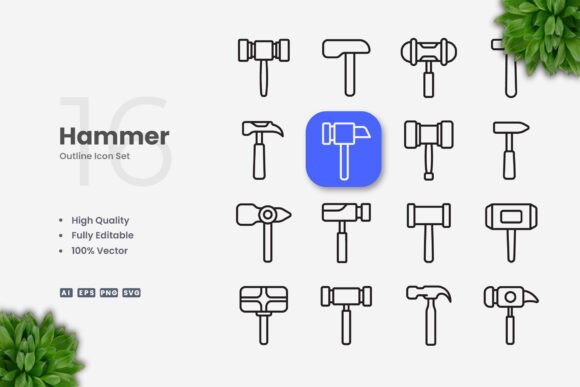
When I first opened the Hammer Icons file, my immediate reaction wasn't about stitch counts or file formats. It was about the vibe. The design exudes a sense of rugged simplicity and clean lines that feels right at home in a modern workshop or a boutique craft studio. As someone who has spent years turning digital graphics into tangible stitched products, I know that finding a design that translates well from screen to thread is a specific skill. Hammer Icons hits that sweet spot where visual clarity meets embroidery practicality.
The concept is straightforward: a simple and clean icon design. In the world of machine embroidery, "simple" is often a double-edged sword. Sometimes it means boring; other times, it means versatile. This design leans heavily into versatility. The shapes are bold enough to hold their structure under the needle but refined enough to look professional on a finished product. Whether you are an Etsy seller looking for a new listing or a crafter making a personalized gift, this graphic offers a solid foundation for your next embroidery project.
From Digital Mockup to Stitched Reality
I recently tested these icons while preparing a custom order for a local coffee shop. They wanted embroidered patches for their staff aprons featuring a minimalist logo that represented their brand's strength and reliability. We needed something that wouldn't get lost in the texture of the heavy canvas fabric but also wouldn't look too bulky on a small patch. Hammer Icons was the perfect candidate.
After digitizing the concept (or using the provided file if it was already optimized), I placed it on a scrap piece of the apron material. The initial test run revealed exactly why this design works so well for commercial applications. The stroke weight is balanced perfectly for a satin stitch finish. When the machine started stitching, the edges remained crisp without excessive thread buildup, which is a common issue with icons that have too many tiny details. The result was a sharp, legible image that looked as good on the apron as it did in the digital mockup.
This kind of reliability is crucial for custom apparel. If you are selling items like sweatshirts, tote bags, or baby clothes, customers expect a high-quality finish. A design that frays or loses definition during the stitching process can ruin the perceived value of your handmade product. With Hammer Icons, the visual appeal remains intact even after multiple washes, which is essential for items like kitchen towels or holiday gifts that see frequent use.
Where These Graphics Shine
The beauty of Hammer Icons lies in its adaptability across different product categories. Because the design relies on clean lines rather than intricate shading, it performs exceptionally well on a variety of surfaces. For instance, when applied to a soft cotton tee or a structured cap, the icon maintains its integrity. It doesn't require the extreme density adjustments that complex illustrations need, making it a time-saver for busy decorators.
I found myself thinking of several scenarios where this design would be a standout:
- Tote Bag Designs: The clean aesthetic pairs beautifully with canvas, creating a modern, urban look that appeals to young professionals and students alike.
- Baby Embroidery: For onesies or nursery decor, the simplicity ensures the design is safe and comfortable against delicate skin, avoiding any scratchy dense areas.
- Embroidered Patches: The defined borders make it ideal for iron-on or sew-on patches, perfect for branding small business merchandise or adding flair to denim jackets.
- Holiday Embroidery: Imagine these icons integrated into a festive sweater or a Christmas stocking. The clean lines allow them to stand out against busy patterns or solid colors.
For Etsy sellers and small shop owners, this versatility means you can create a cohesive collection. You could use variations of the hammer icon to represent tools, DIY projects, or craftsmanship, building a strong brand identity across all your listings.
Practical Considerations for the Designer
While the design is robust, no single file is a magic bullet for every situation. As an experienced reviewer, I have to point out where caution is necessary. Hammer Icons might not be the best choice for very small hoop sizes. If you are trying to stitch this onto a tiny button or a miniature accessory, the details could become muddy. Always check the dimensions relative to your intended hoop size before committing to a full production run.
Fabric texture plays a significant role here as well. On highly textured fabrics like thick wool or looped terry cloth, the clean lines of the icon might get partially obscured. Similarly, on stretchy fabrics like jersey knit, you must ensure you are using the proper stabilizer to prevent puckering. If the fabric stretches during stitching, those clean geometric lines could warp, ruining the professional look you are aiming for.
Another critical factor is thread color contrast. Because the design relies on clear strokes, using a thread color that is too close to the fabric background will make the icon disappear. I recommend testing the design in black and white mockups first to ensure the silhouette is distinct. Once you confirm the shape holds up, then experiment with vibrant thread colors to add personality to your handmade product.
Maximizing Value and Trust
In the competitive world of craft business, presentation is everything. A well-executed embroidery design signals quality to the buyer. When a customer sees a sharp, well-defined icon on a tote bag or a baby blanket, they trust that the entire item was made with care. Hammer Icons contributes directly to this perception of professionalism.
Furthermore, the ability to resize and edit the stroke weight (if your software supports it) adds another layer of utility. You can adjust the design to fit a large banner poster or a small flyer print without losing the core character of the icon. This flexibility is invaluable for commercial embroidery projects where branding guidelines might dictate specific dimensions.
However, before you start mass-producing items for sale, remember to review the licensing terms. While the design is great for personal gifts and small shop products, some files have restrictions on commercial use. Confirming these details upfront protects your digital product sales and ensures you aren't infringing on anyone's rights.
Final Thoughts on Real-World Application
Ultimately, Hammer Icons is a tool that respects the craft of embroidery. It understands that thread behaves differently than ink on a screen. By choosing a design that prioritizes clarity and structure, you set yourself up for success. Whether you are creating a personalized gift for a friend or launching a line of boutique products, this graphic provides a reliable starting point.
My advice? Test it on scrap fabric first. Check your stitch density and inspect the small details under good lighting. Compare how it looks on light versus dark backgrounds. Once you are confident in the setup, you will find that Hammer Icons elevates your work, adding a touch of modern elegance to every stitched creation. For designers who want practical results without the headache of overly complex files, this is a winner.