Open Minded Icons: A Designer's Review for Real Embroidery Projects
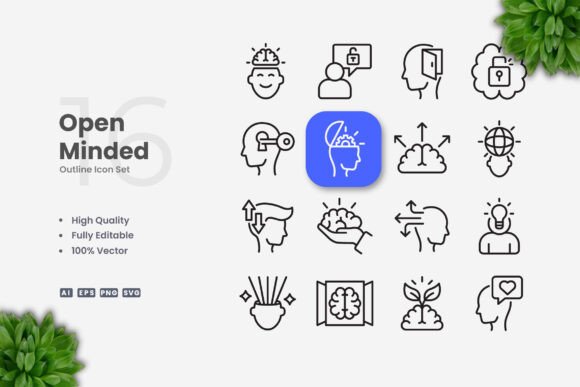
When I first opened the Open Minded Icons file, my initial reaction was one of relief. In a sea of overly complex, dense patterns that often struggle to hold their shape on fabric, this design stood out for its simplicity and clean lines. As someone who has spent years turning digital graphics into tangible, stitched goods for clients and craft fairs, I know that less is almost always more when it comes to machine embroidery. The prompt describes these as simple and clean icon designs perfect for various media, but the real test is how they translate from a screen to a needle.
The visual personality of Open Minded Icons suggests a modern, approachable aesthetic. It doesn't scream for attention with intricate details that might get lost in the stitching process; instead, it offers a bold, clear statement. This makes it an ideal candidate for branding projects where recognition is key. Whether you are creating a logo for a boutique or a fun accent for a child's outfit, the design feels versatile enough to fit into many different styles without looking cluttered. The stroke weight appears editable, which is a crucial feature for any designer working with custom apparel or small shop products.
From Screen to Stitch: A Real-World Scenario
To understand the true value of this design asset, let's look at a specific project. Imagine you are preparing for the holiday season and need to create a batch of personalized embroidered tote bags for a local artisan market. You want something that conveys a message of positivity and inclusivity, perhaps using a concept like "open minded" as part of your brand identity. You pull up Open Minded Icons to see if it can work as the central motif on a sturdy canvas bag.
Upon hooping the canvas and running a quick test stitch, the results are promising. The clean lines of the icons do not require excessive density, which means the fabric remains flexible and doesn't pucker around the edges. On a tote bag, which is subject to frequent handling and washing, this durability is essential. The design translates well into a satin stitch or a combination of fill stitches, depending on the specific icon shape. For a small business owner selling handmade gifts, this level of clarity ensures that the finished product looks professional and high-quality, increasing customer trust and satisfaction.
Furthermore, the scalability of the design is impressive. If you decide to switch from a large tote bag to a smaller item, such as a baby onesie or a cap, the simplicity of Open Minded Icons allows it to shrink down without losing its character. Unlike complex floral patterns that might blur into a single blob when reduced, these icons maintain their distinct shapes even at smaller sizes. This versatility makes them a smart investment for Etsy sellers who need to diversify their inventory across different product types, from aprons to pillow covers.
Performance Across Different Fabrics and Garments
While the design shines on stable fabrics like cotton twill or denim, there are situations where caution is required. When working with stretchy fabrics, such as those found in sweatshirts or t-shirts, the stitch density must be carefully managed. If the design is too heavy, it could distort the knit fabric over time. However, because Open Minded Icons is described as simple and clean, it generally avoids the pitfalls of excessive thread usage that plague denser designs.
For textured fabrics like fleece or thick wool, the clean lines of the icons provide a nice contrast, allowing the texture of the material to show through without competing with the embroidery. This is particularly effective for holiday gifts or nursery decor, where a soft, tactile feel is desired. On dark fabrics, the choice of thread color becomes critical. Since the design relies on clear strokes, a light-colored thread will pop beautifully against a black background, whereas a dark thread might disappear unless a contrasting underlay is used.
However, there are limitations to consider. If you are working on a curved surface like a baseball cap, the design may need slight adjustments to account for the curvature. Flat designs sometimes look distorted when forced onto a dome shape. Additionally, for very small hoop sizes, the fine details of the icons might become difficult to distinguish, especially if the viewer is wearing glasses or viewing the item from a distance. It is always wise to inspect small details before committing to a full production run.
Strategic Use Cases for Crafters and Entrepreneurs
The utility of Open Minded Icons extends beyond just personal hobbies; it is a powerful tool for commercial embroidery projects. Small shop owners can use these graphics to create cohesive branding across their entire product line. Imagine a set of matching kitchen towels, tea towels, and aprons all featuring variations of the same icon theme. This consistency elevates the perceived value of the merchandise and helps customers instantly recognize your brand.
For digital product sellers, these graphics serve as excellent assets for creating printable mockups. Before selling a physical item, you can place the Open Minded Icons design onto images of tote bags, sweatshirts, or patches to generate attractive listings for your online store. This allows potential buyers to visualize the final product, reducing hesitation and increasing sales. The ability to resize and change color digitally means you can offer customization options to your clients, adding another layer of service to your craft business.
When considering giftability, the positive and open nature of the design makes it suitable for a wide range of occasions. It works well for wedding gifts, baby showers, or corporate events where a message of unity and openness is appropriate. The clean aesthetic ensures that the embroidery looks timeless rather than trendy, meaning the finished product will remain relevant for years to come.
Practical Notes for the Experienced Designer
Before you start stitching, there are several technical steps you should take to ensure success. First and foremost, test the design on scrap fabric that matches your intended project material. This allows you to check thread color contrast and observe how the fabric reacts to the needle and stabilizer. Using the proper stabilizer is non-negotiable; for stretchy fabrics, a cut-away stabilizer is usually best, while woven fabrics can often get away with tear-away.
Review the stitch density of the design. While Open Minded Icons is simple, you may need to adjust the density settings in your embroidery software to prevent gaps or puckering. Confirm the hoop size requirements to ensure the design fits within your machine's capabilities. If you plan to sell finished items, double-check the licensing terms associated with the digital embroidery file. Some licenses restrict commercial use, while others allow you to sell unlimited quantities of finished products.
It is also advisable to test the design in black and white mockups to ensure the composition holds up without the distraction of color. Compare how the design looks on both light and dark backgrounds to determine the most effective thread colors. Finally, inspect the small details closely. If the design includes tiny lettering or intricate corners, make sure they are legible after stitching. Sometimes, what looks perfect on a monitor can lose definition once converted to thread.
In conclusion, Open Minded Icons represents a solid addition to any embroidery designer's toolkit. Its clean, simple nature makes it adaptable for everything from custom apparel to digital assets. By following practical testing procedures and understanding the nuances of fabric and stitch density, you can transform this digital graphic into a stunning, high-value finished product. Whether you are a hobbyist making a unique gift or a seasoned entrepreneur building a brand, this design offers the flexibility and clarity needed to succeed in the competitive world of handmade goods.