Art Gallery: A Simple and Clean Graphic Design Asset for Modern Branding
First Impressions of Art Gallery
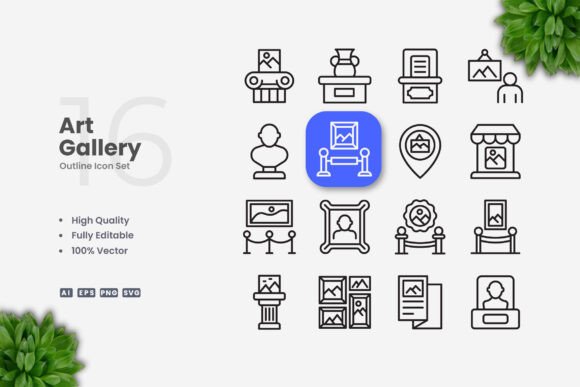
As a brand designer and content marketer, the first thing that stands out about Art Gallery is its simple and clean icon design. It immediately feels versatile, professional, and adaptable. The minimalist approach creates a sense of calm and clarity, which can be incredibly valuable in marketing visuals. This kind of design doesn’t shout—it whispers, inviting the audience to engage without overwhelming them with visual noise.
The emotional tone of Art Gallery leans towards modernity and sophistication. It’s perfect for brands that want to appear approachable yet polished. Whether it's used in lifestyle content, editorial graphics, or even product packaging, this icon brings a subtle elegance that can enhance any visual narrative.
Real-World Application in Brand Campaigns
Let’s imagine a scenario where a small business is launching a new line of eco-friendly home products. They need consistent, eye-catching visuals across their website, social media, and print materials. Art Gallery could serve as a key element in their brand identity, subtly reinforcing their commitment to simplicity and sustainability.
In this case, the icon could be used in hero graphics on their landing page, as part of social media posts, or even in email banners. Its clean lines and minimal detail ensure it doesn’t clash with other branding elements, allowing the message to remain clear and focused.
Art Gallery also shines in digital ads, blog graphics, and Canva templates, making it an excellent choice for content creators who need quick, high-quality assets. It supports both modern design and creative design approaches, fitting seamlessly into various marketing visuals and brand identity systems.
Supporting Marketing Goals with Visual Consistency
One of the most powerful aspects of Art Gallery is how it contributes to visual consistency. In a world where audiences are bombarded with information, a consistent visual language helps build audience trust and brand recognition. Using this icon across different platforms ensures that your brand remains cohesive and memorable.
For example, if you're creating a content kit for a digital course or designing packaging inserts for a new product line, Art Gallery can act as a unifying element. It adds a touch of professionalism while maintaining a friendly, accessible vibe—perfect for small business branding and creative marketplace projects.
Its adaptability also makes it ideal for event promotions and editorial design. Whether you're designing a poster for a local art show or creating lead magnets for your blog, Art Gallery offers a reliable foundation that elevates your campaign visuals without complicating them.
Where Art Gallery Works Best
Art Gallery excels in several key areas:
- Hero graphics – Use it as a focal point in website headers or campaign banners.
- Campaign headers – Add a subtle touch of creativity to your email or ad headers.
- Product launch visuals – Incorporate it into promotional materials for a fresh, modern look.
- Branded templates – Integrate it into Canva templates or printable design kits for easy use.
- Social media covers – Enhance your profile with a clean, professional graphic.
- Packaging accents – Use it as a decorative element on product labels or inserts.
- Promotional banners – Create visually appealing banners for online campaigns.
- Editorial layouts – Add it to magazine-style blogs or digital magazines.
- Decorative brand elements – Use it in logos, icons, or illustrations to add personality.
Where to Use It with Caution
While Art Gallery is incredibly versatile, there are a few scenarios where it may not be the best fit:
- Formal corporate branding – If your brand requires a more traditional or complex visual language, this icon might feel too simple.
- Dense information layouts – Avoid using it in designs where too much text or data is present, as it could distract from the main message.
- Small mobile graphics – Test it at smaller sizes to ensure it remains readable and impactful on mobile screens.
- Low-contrast backgrounds – Ensure it stands out against the background by testing different color variations.
- Overly minimal brands – If your brand already has a very sparse visual style, this icon may blend in too much.
- Text-heavy ads – Let it complement rather than compete with textual elements.
Practical Brand Designer Notes
Before incorporating Art Gallery into a real campaign, consider these practical steps:
- Test it with your brand color palette – See how it looks in different color variations.
- Check black and white usage – Ensure it maintains its integrity when printed in grayscale.
- Place it inside real campaign mockups – See how it fits within your overall design system.
- Preview it on mobile screens – Confirm that it scales well and remains legible.
- Test readability in small sizes – Make sure it still communicates effectively at reduced dimensions.
- Compare it against competitor visuals – Ensure it stands out but doesn’t feel out of place.
- Check how it pairs with different fonts – Test it alongside serif, sans serif, script, and display fonts to find the right balance.
- Review spacing and balance – Ensure it complements other design elements without overpowering them.
- Confirm commercial licensing – Always verify that you have the right to use it in paid campaigns, client work, or business branding.
Conclusion: A Strong Design Asset for Content Creators
Art Gallery is more than just an icon design—it’s a valuable tool in the arsenal of any brand owner, marketer, or content creator. Its versatility, clean aesthetic, and adaptability make it a strong contender for a wide range of graphic design assets, from digital product visuals to printable design elements.
Whether you're building a design bundle, refreshing your social media graphics, or launching a new product, Art Gallery can help you create visuals that are both professional and engaging. Just remember to test it thoroughly and use it strategically to maximize its impact on your audience and brand perception.